Start with the social promise
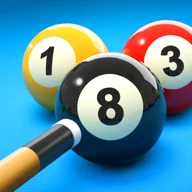
8 Ball Pool and UNO! both offer familiar tabletop ideas through mobile multiplayer, but familiarity can hide different expectations. A pool match centers on aiming, shot selection and the table position left afterward. UNO! centers on playing cards under a chosen rule set, with uncertainty about other hands and the draw. Ask what the group wants to enjoy: precise execution, tactical conversation, quick surprises or a familiar game with particular house rules. That answer is more useful than choosing whichever name everyone recognizes first.
For a hypothetical pair seeking a quiet head-to-head contest, reading angles and planning a shot may be appealing. A group wanting a more unpredictable exchange may prefer a card game. Do not assume that one is inherently more social because it resembles a family table. The actual social experience depends on the selected mode, how people join and what they expect to do while waiting. Confirm those details before treating either installation as a ready-made gathering.
Pool rewards attention to the next position
In 8 Ball Pool, the obvious goal is to pocket a ball, but a useful decision also considers the position that follows. Before taking a shot, identify the target and the next possible action. A successful pot can leave an awkward table, while a more deliberate choice can preserve useful options. The attraction is the relationship between planning and execution: a good idea still needs an accurately delivered shot.
When comparing the game, notice whether a miss gives you understandable feedback. Was the angle wrong, the selected shot too ambitious or the resulting position poorly considered? This is a suggested observation method, not a claim that the app reproduces every aspect of physical pool or improves real-world skill. The official listing emphasizes online competition and aiming. Your trial should establish whether that interaction is enjoyable on your device, not whether a promotional claim about mastery applies to you.
UNO depends on the rules everybody thinks they are using
The official UNO! listing describes classic play, house-rule options and additional modes. That variety is useful only if participants agree on the selected rules. People often arrive with different expectations from physical card games. Before beginning, identify the mode and read its rules rather than assuming a familiar gesture or household convention will be accepted. A disagreement about rules can feel like a game problem when the real issue is that players selected different mental versions of UNO.
For a hypothetical friends’ session, write down the few rules most likely to surprise someone and confirm whether the chosen mode supports them. Do not promise an option merely because another digital edition has it. If the group mainly wants the classic rhythm, avoid entering an event mode without understanding how it changes the experience. A clear rule agreement makes outcomes easier to accept and keeps the social focus on the match instead of repeatedly arguing about what should have been allowed.
Compare control and uncertainty honestly
Pool gives the player a visible spatial problem and asks for execution. UNO introduces uncertainty about hidden cards and future draws. Both contain decisions, but the kinds of uncertainty differ. A player who wants a close connection between a chosen action and its physical result may lean toward pool. A player comfortable with a strong element of surprise may enjoy the card game’s changing opportunities. Neither preference proves that one game has more legitimate strategy than the other.
After a loss, describe one controllable decision and one factor outside your control. This avoids turning every result into a broad verdict about fairness or skill. In pool, an execution error may be informative even if the plan was sound. In UNO, a reasonable play may still meet an unfavorable hand or draw. The comparison becomes more useful when you can say which kind of disappointment you are willing to learn from rather than expecting either game to eliminate uncertainty.
Check joining, currencies and match conditions
Read the current account and friend-invitation requirements for the exact mode you want. A store description saying “play with friends” does not establish that every mode supports the same group size, device combination or entry conditions. Test the joining process with the intended participants before purchasing extras for the session. If someone cannot join, resolve the mode or account issue rather than assuming a paid item will fix it.
Also inspect any entry currency, reward or purchase condition associated with the chosen table or mode. Keep virtual-game spending separate from the social invitation. A friend should not discover only after joining that the group expects a purchase or a level of participation they did not agree to. This guide does not recommend wagering or attach cash value to virtual outcomes. Its concern is that the selected match should have understandable conditions and fit the limits participants choose in advance.
Pick the game that supports the conversation you want
At the end of a small trial, ask whether the match produced the kind of interaction the group wanted. Did people enjoy watching a carefully planned shot, or did they prefer the surprises of changing hands? Were the rules clear enough that losses felt understandable? A technically functioning invitation is only the beginning of a successful social game. The shared expectations matter just as much as the ability to connect.
Choose a mode and stopping point for the next session, and leave optional events or shop offers outside that agreement unless everyone deliberately includes them. Keep the first gathering small enough to learn how the group responds. 8 Ball Pool may fit a precise positional contest; UNO! may fit a card-based exchange with agreed rules and uncertainty. The useful recommendation is tied to that social purpose, rather than declaring one familiar tabletop name the universal choice for all mobile friends.
Follow the sources
- Official Google Play listing — checked November 15, 2026 ↗
- Official Google Play listing — checked November 15, 2026 ↗
AI-assisted editorial analysis of public evidence. Suggested workflows and hypothetical cases are not reported device-test results. Report a correction.