
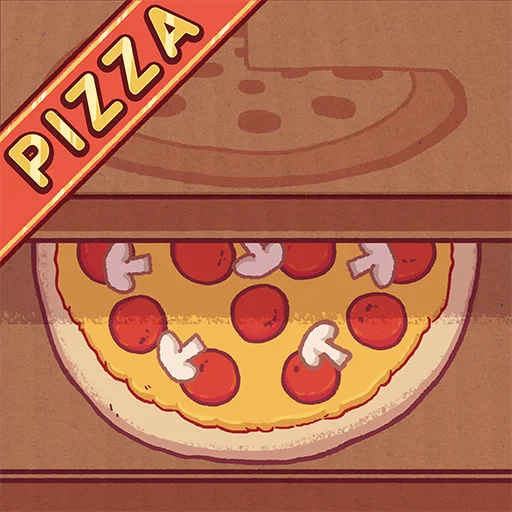
Good Pizza, Great Pizza
4.7
- Category
- Casual
- Platform
- Android
- Rating
- 4.7 / 5
- Installs
- 100M+
- Age
- Everyone
- Developer
- TapBlaze
- Updated
- Oct 23, 2026
- Size
- Varies by device
Game Description
Source: Google Play. Checked 2026-10-24. Store-user rating, not an OOZGM test score. Availability and pricing can change.
Good Pizza, Great Pizza puts you behind the counter of a pizza shop. Customers place orders, you assemble and bake pizzas, and the business develops through new ingredients, equipment and decoration. The official description emphasizes distinctive customer requests, so understanding the order is as important as placing toppings neatly.
The game's charm comes from turning a simple food into many small interpretation problems. A customer may describe what they want in a way that demands attention. The result is a cooking game with a stronger reading-and-response element than a purely reflex-based restaurant challenge.
Official external links. OOZGM does not host game files or APKs. Check device compatibility and current price before installing.
Screenshots
Images supplied by the developer through the official store listing.
Recommended Games













How To Play
- Read the customer's full request and identify any topping exclusions or other conditions before beginning the pizza.
- Prepare the order in a consistent sequence, checking ingredients and coverage before baking and serving.
- Review mistakes and shop needs at the end of a session, then choose an upgrade that addresses a specific bottleneck or a deliberate decoration goal.
Before you install
A good fit: Best for players who enjoy personable cooking games, interpreting orders and refining a calm but attentive preparation routine.
Consider: Reading and repeated assembly are central to the experience. Shop upgrades should be assessed by their actual effect, and the fictional economy is not restaurant-management advice.
Translate the order before touching the dough
Pause long enough to identify the requested base, toppings and any restrictions. Starting with your usual pizza before fully understanding the request can create avoidable waste. When the game offers clarification, use it as a way to learn the customer's meaning instead of guessing from one familiar word.
Consistency matters during assembly. Try developing a repeatable placement pattern that gives reasonable coverage without using ingredients thoughtlessly. Speed becomes more useful after you know what a correct order looks like. A rushed mistake can cost more time and resources than a slightly slower, accurate preparation.
Improve the shop around a real problem
Equipment, ingredients and decoration all support different parts of the experience. Before buying an upgrade, ask whether it solves a recurring service problem, opens a useful menu option or simply makes the shop look the way you want. All three can be valid goals, but they should not be confused with one another.
The business framing adds a reason to care about repeated orders, yet it is still a stylized game economy. Do not treat the results as a model of operating a real restaurant. Judge whether the ordinary cycle of reading, preparing and serving feels pleasant before focusing on expansion. If you enjoy the customers but dislike precise repetitive assembly, that trade-off is worth noticing early.
Original OOZGM editorial analysis · AI-assisted and based on official listing evidence; no hands-on test is claimed. Our method · Report a correction.