
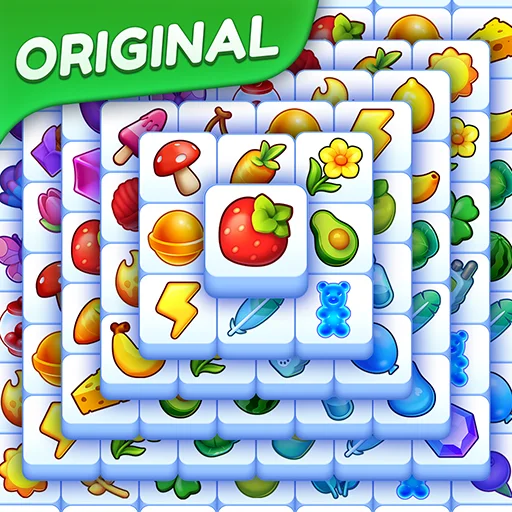
Triple Tile: Match Puzzle Game
4.8
- Category
- Casual
- Platform
- Android
- Rating
- 4.8 / 5
- Installs
- 50M+
- Age
- Everyone
- Developer
- Tripledot Studios Limited
- Updated
- Sep 14, 2026
- Size
- Varies by device
Game Description
Source: Google Play. Checked 2026-10-24. Store-user rating, not an OOZGM test score. Availability and pricing can change.
Triple Tile builds a puzzle around recognizing three identical tiles and choosing the order in which to take them. Layered layouts mean the visible surface does not reveal every future option. Removing one tile can expose an important match, but it can also leave you carrying several unrelated pieces while you wait for their partners.
The pleasure comes from making an untidy board gradually legible. It is less about swapping adjacent pieces, as in a conventional match-three game, and more about deciding which available tiles belong in the same clearing sequence. The map and changing scenery provide progression around that central decision.
Official external links. OOZGM does not host game files or APKs. Check device compatibility and current price before installing.
Screenshots
Images supplied by the developer through the official store listing.
Recommended Games












How To Play
- Scan the visible tiles for a group of three and clear an obvious set to learn how the board reveals covered pieces.
- Before selecting a tile for an incomplete set, locate its possible partners and leave room for the tiles needed to uncover them.
- When a board becomes difficult, pause and review partial sets. Try a different opening sequence on the next attempt rather than repeating the same taps.
Before you install
A good fit: Well suited to players who like visual sorting, careful selection and puzzles that can be considered before each move.
Consider: Layered boards can be more demanding than the soothing presentation suggests. Assistance and reward systems should be assessed separately from the basic matching rules.
Think in completed sets
Before tapping an attractive tile, look for the second and third copies you could reasonably reach. A sequence that completes a set immediately often leaves more freedom than opening several different sets at once. When a match is buried, consider the pieces that must be removed to expose it and whether those pieces can form their own useful groups.
A good habit is to inspect what each removal uncovers. The highest visible layer is not necessarily the most urgent part of the board. If you become stuck, tracing the last few selections may reveal that the problem began earlier, when a promising pair encouraged you to collect a third unrelated symbol.
Separate solving from using assistance
Hints or other assistance can be useful for understanding a difficult layout, but using them immediately can conceal the decision that needs practice. Try naming the obstruction first: unavailable matches, too many partial sets, or a covered tile you cannot expose safely. That makes any assistance more informative and keeps the puzzle from becoming a sequence of automatic taps.
The store presents the game as relaxing and describes offline play. Neither statement tells you how every event, reward or purchase behaves on your device. If uninterrupted travel play matters, test the installed version before leaving. Judge the core puzzle by a few ordinary boards rather than by a promotional promise of endless relaxation.
Original OOZGM editorial analysis · AI-assisted and based on official listing evidence; no hands-on test is claimed. Our method · Report a correction.